


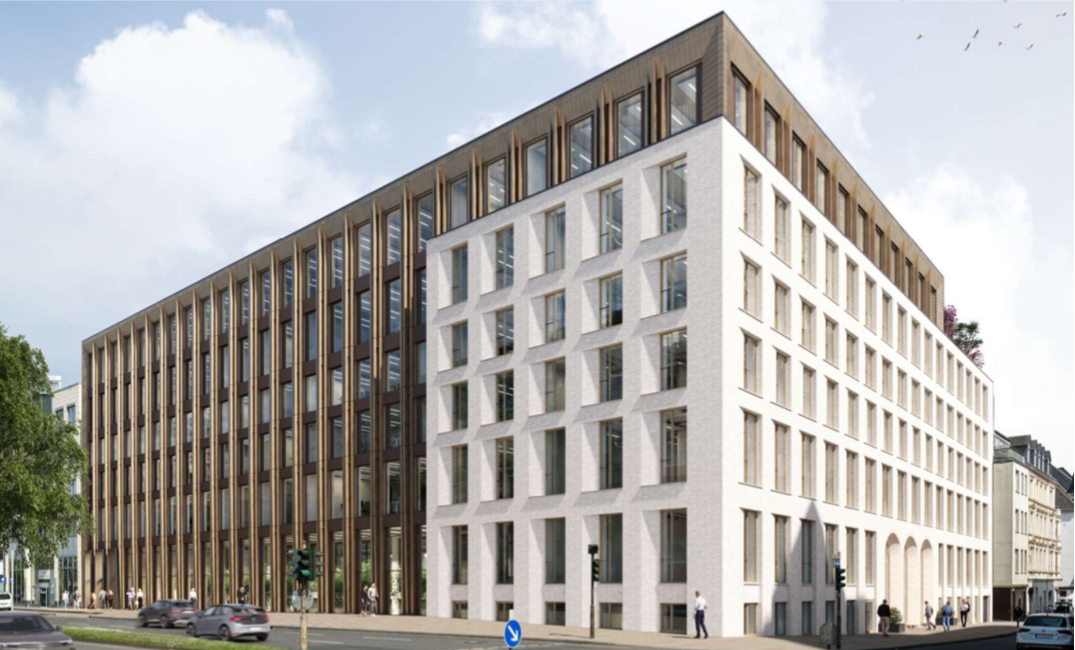
In the real estate sector, digitalization is often viewed through a lens of risk: the fear that high-tech workflows will lead to high-overhead costs. For Art-Invest Real Estate – a leading German developer with more than €12.5 billion in assets under management and a project development volume exceeding 700.000 m² – the refurbishment of the 17,000 m² MACO 1927 in Cologne required a more surgical approach. The goal was to manage the inherent complexity of the renovation of a building originally constructed in the 1920s without over-engineering the process.
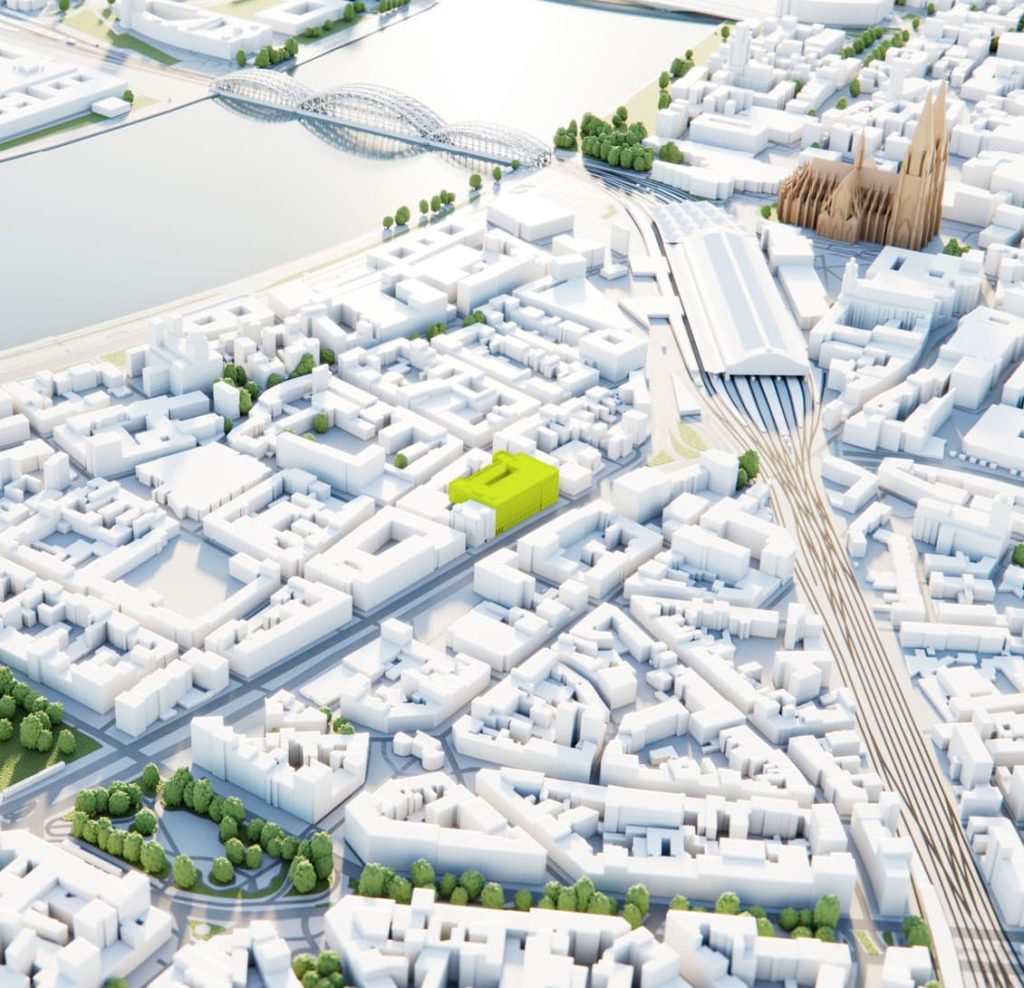
Solving the “Unknown” Variable
The MACO 1927 project faced a classic refurbishment challenge: a lack of reliable data on the century-old existing structure. Stephan Liedtke, BIM Consultant at SMV Innovations, used Catenda Hub to stabilize this environment.
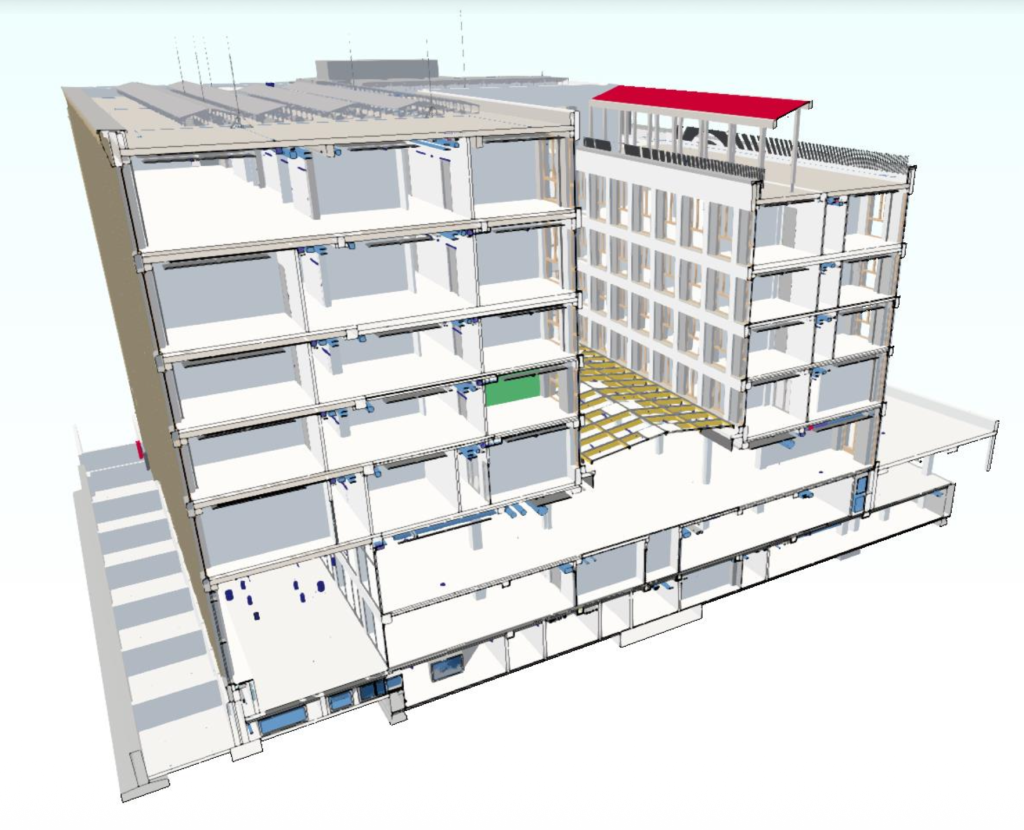
“One of the main difficulties was obtaining reliable data for the existing building,” Liedtke explains. To solve this, the team moved the project “Live” in Catenda Hub, using it as the central platform for design reviews and collision detection. By identifying structural conflicts in the digital model before they reached the site, significantly reduced the risk of expensive “on-site surprises.”
The Philosophy: Efficiency Over Complexity
Andreas Rieger, CFO at Art-Invest, captures the reality of modern real estate development: “We want to invest as little effort as possible in BIM, but as much as necessary.” This is a strategic stance. For a developer, the value of a digital process is measured in its ability to de-risk a project. Over-complicating workflows or overburdening teams with data they won’t use creates friction. By focusing on “BIM Basis” – a streamlined version of the process – Art-Invest ensures that project data serves the schedule and the budget, rather than the other way around.
Making Data “Smart and Easy”
A digital strategy is only as good as its adoption rate. Many stakeholders in a project – from commercial leads to site professionals – are not BIM experts. Art-Invest bypassed this barrier by choosing a platform centered on ease of use.
As Rieger notes, the priority is making information “available to each and every one of them as smart and as easy as possible.” This inclusivity extends to the building’s future. Even for stakeholders who “just need an Excel sheet,” such as the facility management team, the data captured in Catenda Hub during construction provides a clean, organized foundation for long-term asset management.
Sustainability through Precision
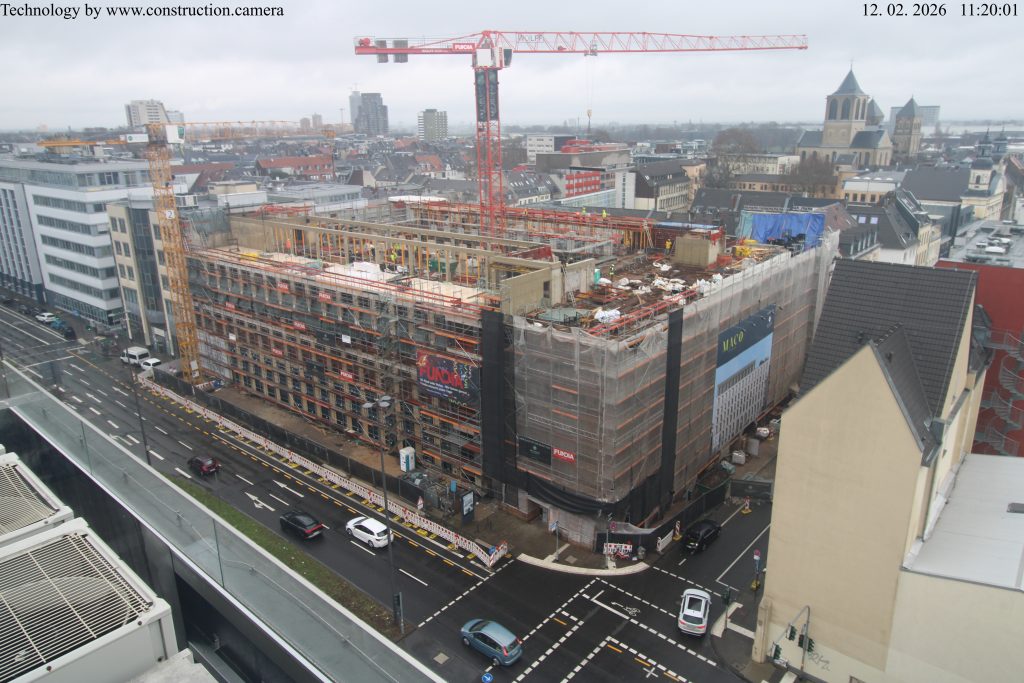
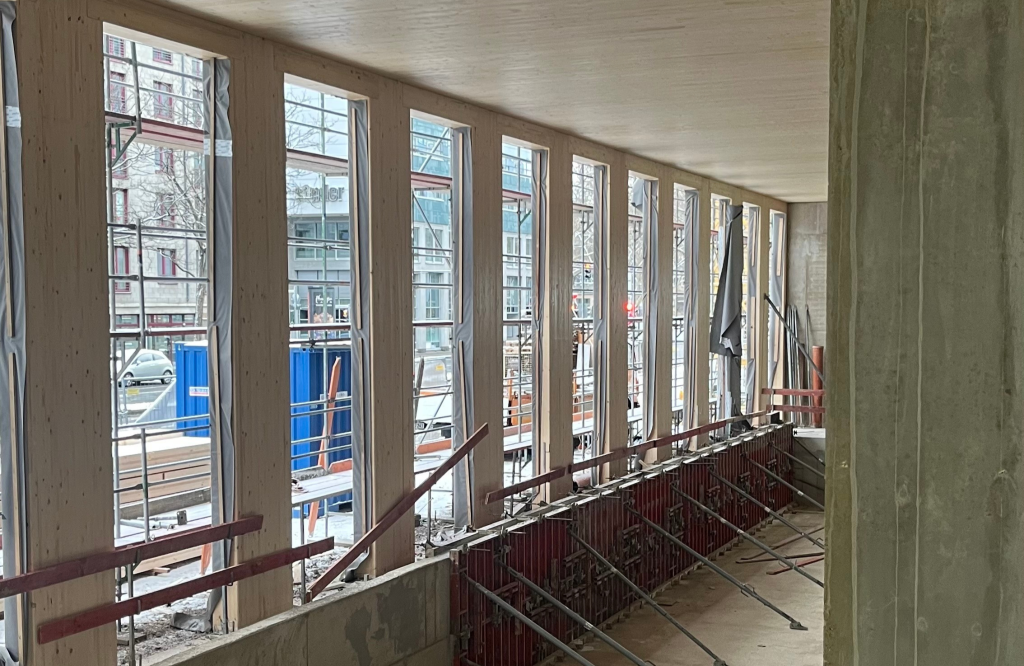
MACO 1927 is a premium development, aiming for DGNB Gold certification and utilizing timber-hybrid construction. Such innovative methods leave little room for error. Through Catenda, even site managers have instant, mobile access to the latest federated models and 2D plans, ensuring that the high proportion of the new timber construction is executed with precision.
The Details: Converting Strategy into Workflow
While the strategy is pragmatic, the execution must be rigorous. Stephan Liedtke provides the technical backbone that makes this “BIM Basis” approach possible. Using Catenda Hub, the project team satisfies the developer’s requirements without the traditional friction of BIM.
Instead of navigating high-barrier software, the team uses Catenda Hub for three high-impact areas:
Model-Based Project Management: Centralizing communication around the 3D model to ensure that “schedule control” is based on physical reality, not just spreadsheets.
Dynamic Ticket Management: Moving beyond messy email chains. Issues – from structural clashes to plan revisions – are tracked as BCF (BIM Collaboration Format) threads, providing a clear audit trail for the developer.
Mobile Information: Site managers have access to the latest federated models and 2D plans directly from the site.
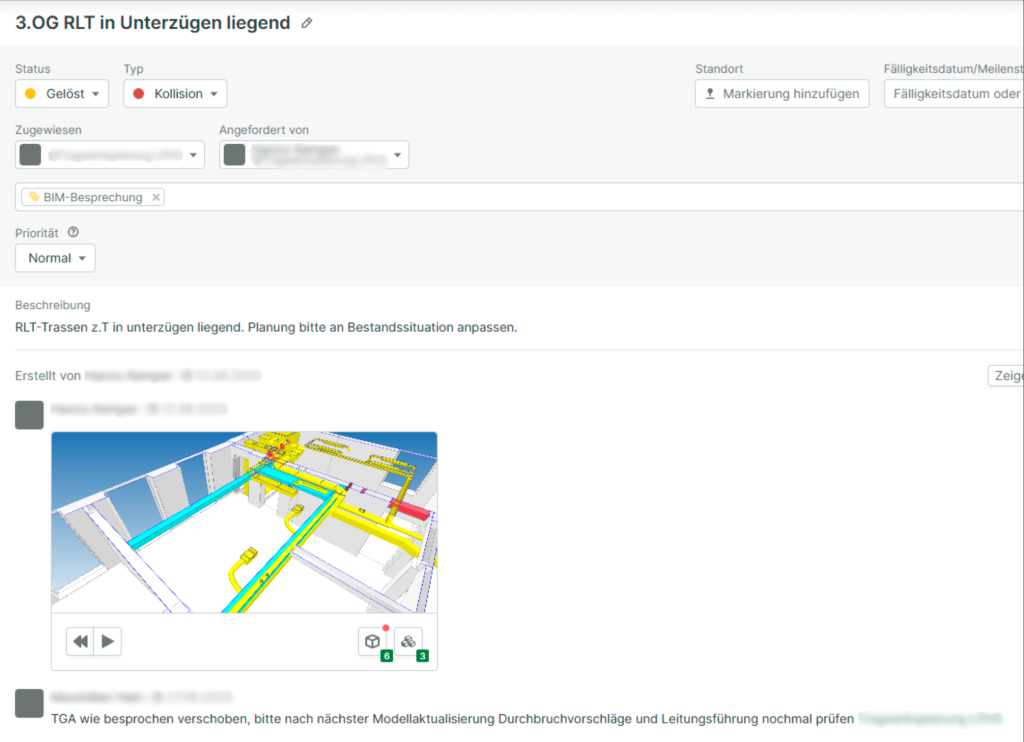
For Art-Invest, the project proves that digital collaboration is the most effective way to de-risk complex developments. By staying pragmatic, they have turned BIM from a technical burden into a strategic advantage.
Image Credits: © Art-Invest Real Estate