

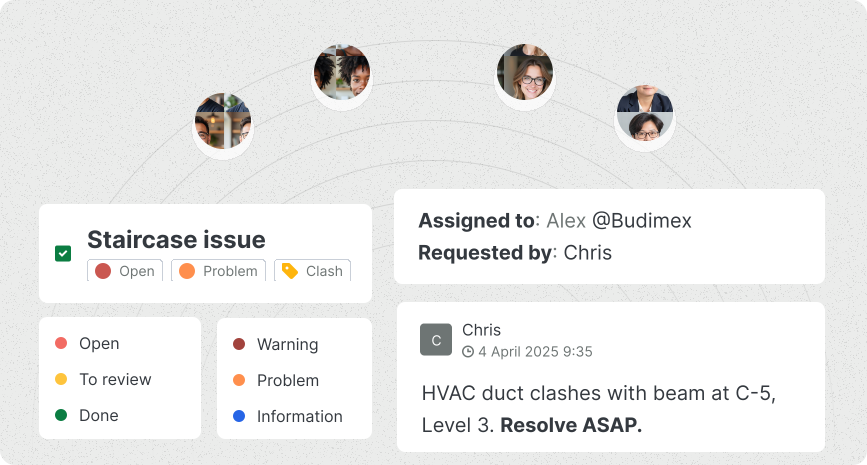
Coordinate the model, catch clashes early.
Federate every discipline on one model. Run clash checks, raise BCF issues pinned to the geometry, and assign them to the sub who owns the fix, before it reaches the slab.
BIM & Data ManagementThe model, the issues, the site checks and every subcontractor, in one source of truth. Catenda is the BIM software general contractors use to coordinate the build and prove the handover.
You hold the programme, the budget and the risk. The model lives with the architect, the structural revisions with the engineer, the snag list on a clipboard - and your subs mostly work off whatever landed in their inbox.
Whatever platform you bring in, it has to be one they'll actually want to open. Something a foreman uses on his phone without a training day, something a QS opens without waiting on IT. Otherwise they drift back to email and you spend your evenings translating between everyone. That subs get in for free is a bonus for you - not why they'll stay.
When a slab level or duct route changes, everyone downstream needs to know.
That's what Catenda handles.
Everyone can find the information they need whenever they want, instead of searching for the latest versions of files in the attachments of numerous emails.

The work a contractor actually loses sleep over, coordination, site quality, document control, runs on the same source of truth. Pick the one that hurts most today.
Federate every discipline on one model. Run clash checks, raise BCF issues pinned to the geometry, and assign them to the sub who owns the fix, before it reaches the slab.
BIM & Data Management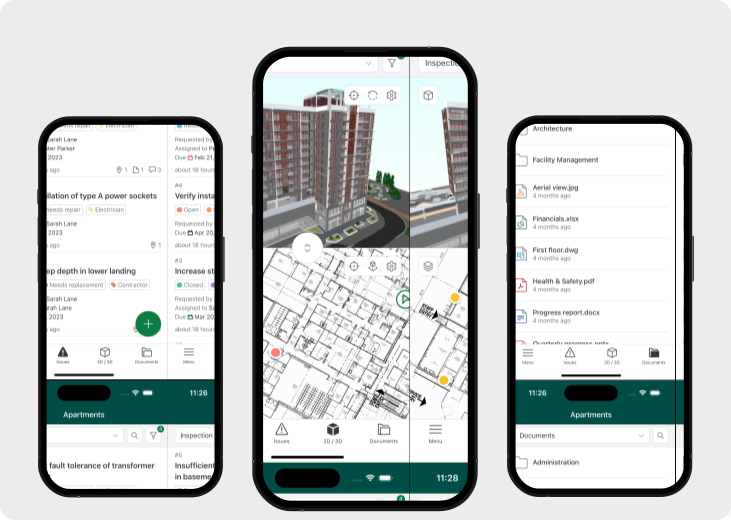
Checklists and snags from a phone, photos pinned to location, subcontractors invited by magic link with no licence. The handover dossier assembles itself as you go.
Site Management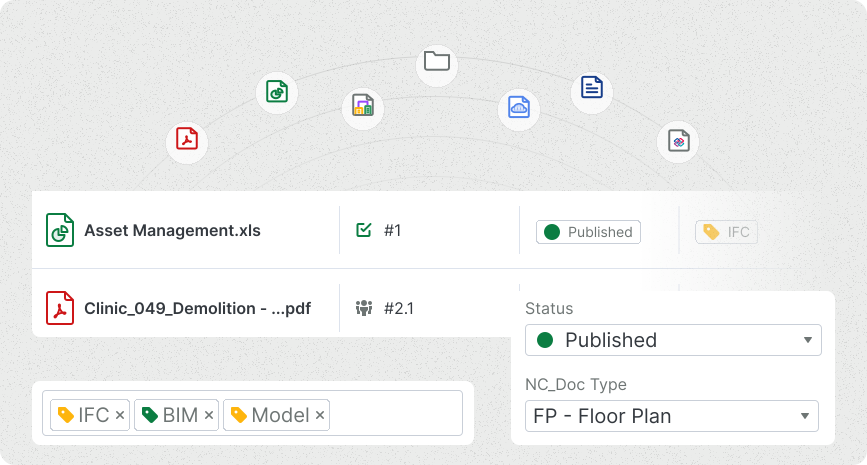
Drawings, transmittals and approvals in an ISO 19650 CDE. The latest is whatever is published, and there is only one of those, with the audit trail to prove who saw what, when.
Document Management10×.
A contractor's hardest hours go to the question “what changed, and who does it affect?” Catenda AI answers it because every model revision, issue and transmittal is a structured event it can read.
When a model is updated, it summarises what moved, flags the disciplines impacted, and drafts the BCF issue for you to send. When a sub uploads a document, it classifies and routes it. The coordination work happens whether or not you are at your desk.
And because it is MCP-native, the same questions can come from your own tools, Claude, ChatGPT, a site app, with the same permissions. No bespoke connector to build. See how Catenda AI works
Slab level dropped 150 mm at grid C–D. Affects MEP riser and stair landing. 2 disciplines tagged. 1 BCF drafted, ready to send.
3 issues on grid C4, all assigned to the MEP sub, 1 overdue. Answered from the live model and issue log, not a stale weekly report.
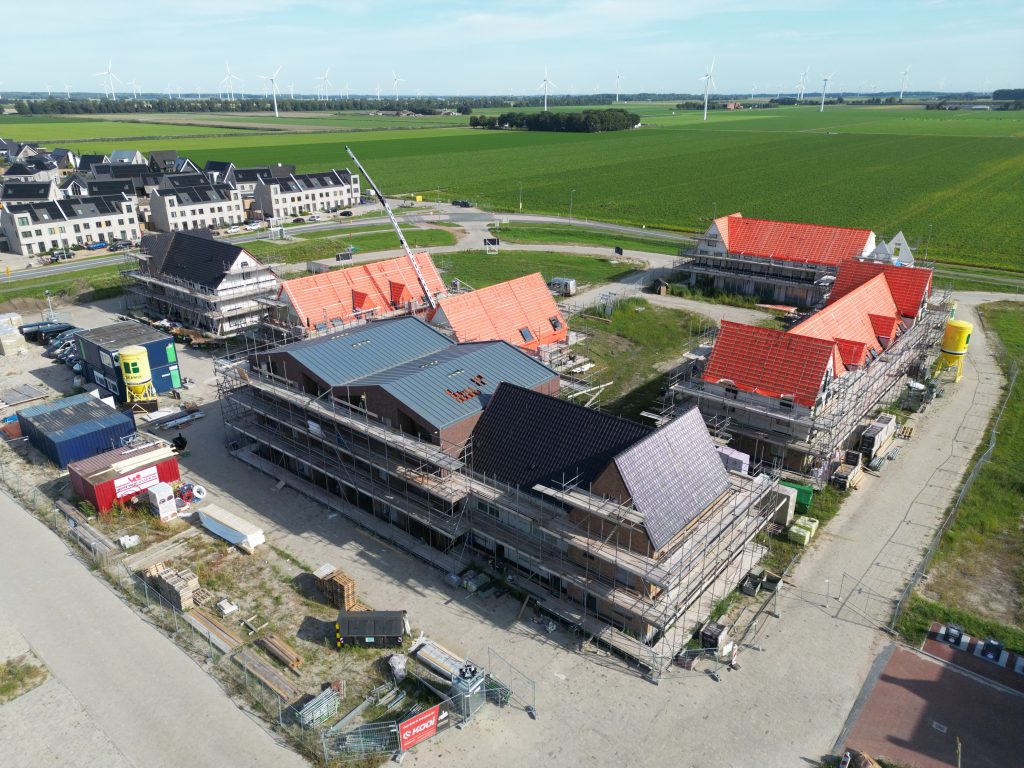
 GC · Netherlands
tools replaced with one CDE
“Employees who were initially critical of a new solution are now working with it enthusiastically.”
Read the Van Norel story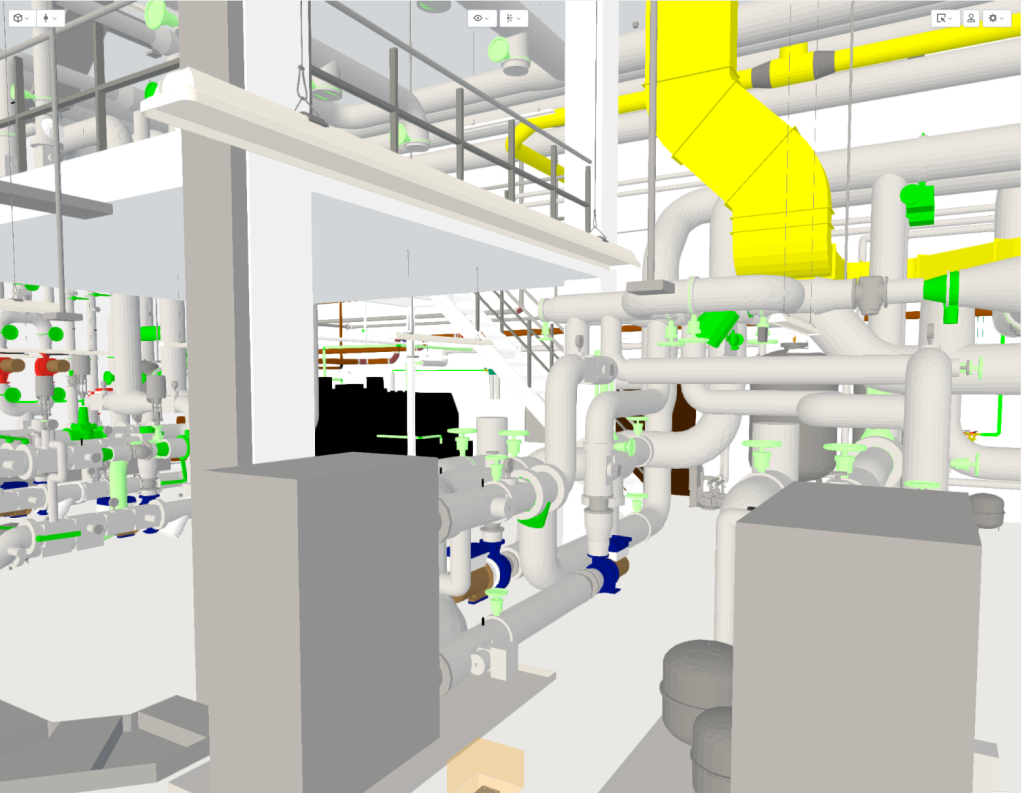
 GC · Germany
to draft a BCF issue, with Catenda AI
“We rely on data sovereignty. That's why anything other than Open BIM was unimaginable for us.”
Read the Nesseler story
 Construction group · Netherlands
projects coordinated across 33 companies on one open CDE
“Everyone can find the information they need whenever they want, instead of searching for the latest versions of files in numerous email attachments.”
Read the JAJO storyYes. Catenda is built for the party coordinating the build. You federate every discipline's model, run clash detection, track issues as BCF pinned to the geometry, run site checklists from a phone, and assemble the handover dossier as you go. The contractor is the user the workflow is shaped around.
Yes. Pricing is by project with unlimited users, so every sub and external reviewer can be invited at no extra cost. Reviewers and recipients can also join a transmittal or issue through a magic link, with no paid seat and no account to manage.
Catenda is openBIM and works through IFC and BCF, so it is not tied to one vendor's file format. It connects to Revit, ArchiCAD, Tekla, Solibri, Bluebeam and more, plus a REST API and webhooks. Your team keeps the tools they know; the coordination lives in one place.
Catenda Site runs checklists and snags from a phone or tablet, with photos pinned to a location and to the model. Site teams work off whatever is currently published, not last week's print, and every check feeds the handover record automatically.
Most teams start with one project, upload the federated model and current documents, and invite the trades. Because there is nothing to license per seat, you can bring everyone in from day one. Get started and an AECO specialist will set it up around your project, not a generic template.
You already run the project. This just keeps it true.
Bring your federated model. That's it.