
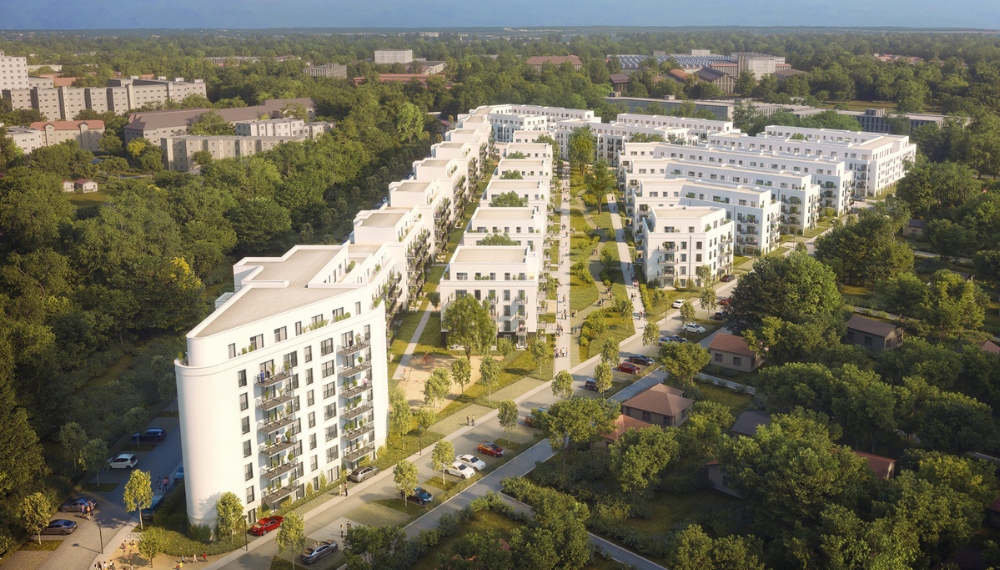
 Ten Brinke
Clear, readable data so every partner contributes, BIM expert or not.
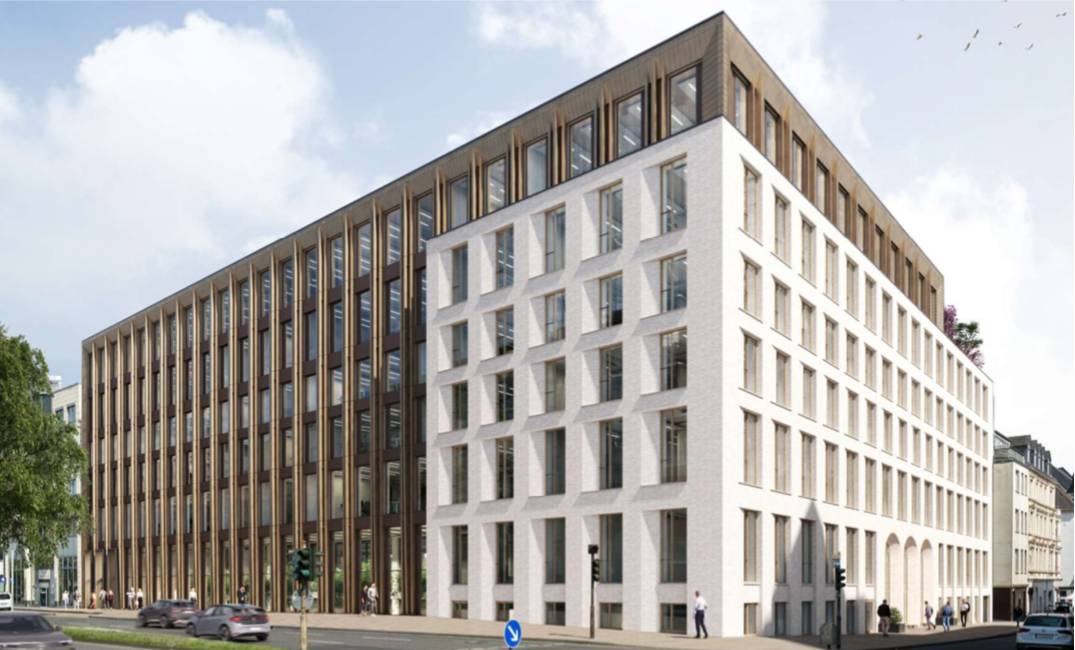
Read the Ten Brinke storyHow Art-Invest used a pragmatic 'BIM Basis' approach on the MACO 1927 refurbishment to tame a 1920s building's unknowns without over-engineering the process.
The facts a peer in your shoes scans first: who they are, what they build, and which parts of Catenda they put to work.
The MACO 1927 project faced a classic refurbishment problem: a lack of reliable data on a century-old structure. For a developer, that uncertainty is where cost and risk hide, the goal was to manage the renovation's inherent complexity without over-engineering the process or burdening teams with data they'd never use.
“One of the main difficulties was obtaining reliable data for the existing building.”
The team moved the project 'Live' in Catenda Hub and used it as the central platform for design reviews and collision detection, catching structural conflicts in the digital model before they reached the site. Rather than navigating high-barrier software, they focused Catenda Hub on three high-impact areas.
Model-based project management keeps schedule control tied to physical reality; dynamic BCF ticket management creates a clear audit trail; and mobile access ensures site managers always have the latest federated models and 2D plans, essential for executing the high proportion of new timber construction with precision.
The pragmatic approach paid off: identifying conflicts in the model significantly reduced the risk of expensive on-site surprises, and digital collaboration proved the most effective way to de-risk a complex development.
By keeping the process lean, Art-Invest turned BIM from a technical burden into a strategic advantage, and the clean, organized data captured during construction gives the facility management team a solid foundation for long-term asset management.
We want to invest as little effort as possible in BIM, but as much as necessary.

refurbishment of a 1920s building
sustainability certification target
AUM across the Art-Invest portfolio
hybrid timber construction with precision mobile access
Ten BrinkeClear, readable data so every partner contributes, BIM expert or not.
Read the Ten Brinke story
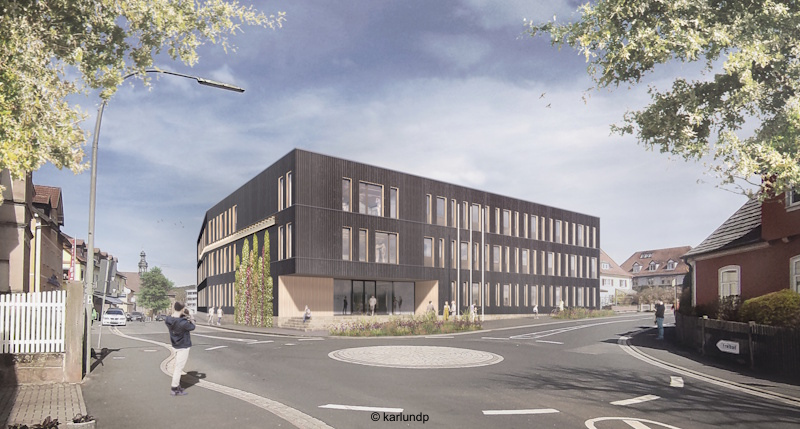
New colleagues ready to go in 10–30 minutes across 22 building authorities.
Read the Bavaria (ZBIM) storyYour project could be the next story on this page.
Bring your IFC. That's it.
